Health & Wellness
Cannabis and Menopause: Natural Relief for Common Symptoms?

 Add MyCannabis.com to your preferred sources on Google

Menopause is a transformative phase in every woman’s life, yet for many, it comes with a storm of uncomfortable symptoms, including hot flashes, mood swings, insomnia, and night sweats. While hormone replacement therapy (HRT) is a common solution, it’s not for everyone. Whether due to side effects, medical risks, or personal preference for natural approaches, many are now exploring alternative options, and cannabis is emerging as a promising one.
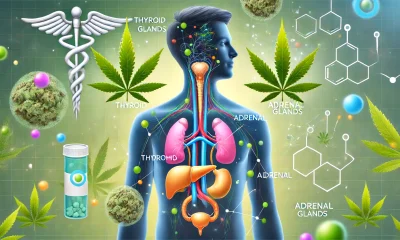
In recent years, scientists have begun to uncover how the body’s endocannabinoid system (ECS) interacts with hormonal shifts, influencing everything from mood and temperature regulation to pain perception and sleep cycles. Could this be the missing link for managing menopause naturally?
Let’s explore the science behind menopause, how the ECS functions, and why cannabis may be a powerful ally during this pivotal life transition.
What Is Menopause?
Menopause marks the end of a woman’s reproductive years and is defined as the point when menstrual periods have stopped for at least 12 consecutive months. It typically occurs between the ages of 45 and 55, although it can happen earlier or later. The transition leading up to this milestone is called perimenopause, which can last anywhere from 2 to 10 years.
During this time, the ovaries begin to produce less estrogen and progesterone, two hormones that regulate the menstrual cycle, support brain and bone health, and influence mood and libido. As these hormone levels fluctuate and eventually decline, a host of symptoms can arise, including:
- Hot flashes and night sweats
- Mood swings and irritability
- Sleep disturbances and insomnia
- Vaginal dryness and decreased libido
- Brain fog and memory changes
- Joint and muscle aches
- Anxiety and depression
While HRT can help stabilize these symptoms by replacing missing hormones, it’s not a one-size-fits-all solution. This is where cannabis, particularly its interaction with the endocannabinoid system, enters the conversation.
How the Endocannabinoid System Impacts Hormonal Balance During Menopause
The endocannabinoid system (ECS) is a complex cell-signaling network present throughout the human body. It plays a key in regulating physiological functions like mood, pain, sleep, immune response, appetite, and hormonal balance.
The ECS is made up of:
- Endocannabinoids – naturally occurring compounds like anandamide and 2-AG that bind to cannabinoid receptors.
- Receptors – CB1 (primarily in the brain and nervous system) and CB2 (mainly in the immune system), which respond to endocannabinoids and phytocannabinoids (plant-derived cannabinoids like THC and CBD).
- Enzymes – FAAH and MAGL, which break down endocannabinoids after their job is done.
During menopause, as estrogen levels drop, the ECS becomes less efficient because estrogen actually supports the production of anandamide, the “bliss molecule” associated with mood regulation and pain control. Lower estrogen levels lead to lower anandamide, which then makes women more susceptible to anxiety, mood swings, and pain.
Cannabis compounds, particularly CBD (cannabidiol) and THC (tetrahydrocannabinol), can help fill this gap by interacting with the ECS to restore balance.
Top Ways Cannabis May Help Menopause Symptoms
1. How Cannabis May Help with Hot Flashes and Thermoregulation
Hot flashes are one of the most common and often most disruptive symptoms of menopause. These sudden waves of heat and sweating are triggered by changes in the hypothalamus, the part of the brain responsible for regulating body temperature. As estrogen declines, the hypothalamus can become overly sensitive, misreading body signals and setting off heat responses even when they’re not needed.
Cannabis, particularly CBD, may offer a natural way to help regulate these thermal shifts. CBD interacts with receptors in the hypothalamus, potentially helping to stabilize the body’s internal thermostat and reduce the frequency or intensity of hot flashes. In addition, some anecdotal evidence points to the benefits of low-dose THC or full-spectrum cannabis products, which may work synergistically to promote overall balance and comfort when used mindfully.
While scientific research is still in its early stages, many women report meaningful relief from hot flashes when using cannabis as part of their symptom management toolkit, especially when traditional treatments fall short or come with unwanted side effects.
2. Using Cannabis for Menopause-Related Mood Swings and Anxiety
As estrogen levels decline during perimenopause and menopause, so do key neurotransmitters like serotonin and dopamine, both essential for regulating mood, motivation, and emotional well-being. This biochemical shift can contribute to increased anxiety, irritability, and even episodes of depression, leaving many women searching for relief beyond conventional treatments.
Research has discovered that cannabis may offer support during this transition, thanks to its interaction with the endocannabinoid system and other mood-related pathways. CBD, for instance, is known to influence serotonin receptors in the brain, helping to ease anxiety, reduce stress, and support emotional balance. Meanwhile, low doses of THC can bind to CB1 receptors in the brain, often resulting in short-term mood elevation and a sense of well-being when used mindfully.
For women who find traditional antidepressants ineffective or undesirable, cannabis is gaining traction as a complementary approach to managing mood swings tied to hormonal fluctuations. While more clinical studies are needed, early findings and patient testimonials point to its potential as a plant-based ally in supporting mental health through menopause.
3. Can Cannabis Improve Sleep and Insomnia During Menopause?
Sleep disturbances are a common struggle during menopause, often fueled by a mix of night sweats, hormonal fluctuations, and heightened anxiety. Many women find themselves tossing and turning, unable to fall asleep or waking repeatedly throughout the night.
Cannabis has a long history of use as a sleep aid, and modern research is beginning to explore its potential more deeply. Different cannabinoids offer unique benefits for sleep, for example:
-
CBD helps calm the nervous system, reduce anxiety, and promote overall relaxation, making it easier to wind down at night.
-
CBN is well-known for its sedative properties, as it offers support for deeper, more restorative sleep.
-
THC in lower doses, can help reduce the time it takes to fall asleep and enhance slow-wave sleep—the deep, restorative phase of the sleep cycle.
Many women incorporate full-spectrum cannabinoid blends, such as CBD and CBN tinctures, into their evening routines. These formulations are designed to work synergistically, supporting a smoother transition to sleep and helping minimize nighttime awakenings.
4. How Cannabis May Support Sexual Health During Menopause
As estrogen levels decline during menopause, many women experience changes in their sexual health—including vaginal dryness, thinning tissues, discomfort during intimacy, and a noticeable drop in libido. While cannabis can’t replace estrogen, it may offer complementary support by addressing both physical and emotional barriers to intimacy.
Cannabis has shown promise in enhancing sexual wellness in a few key ways, such as improving blood flow and sensitivity in erogenous zones, potentially increasing arousal and pleasure. It can also reduce the anxiety or self-consciousness around sex, which can be heightened during hormonal transitions.
Innovative cannabis-infused products—such as lubricants, suppositories, and topicals—are now being formulated specifically for menopausal support. These products aim to increase comfort, enhance sensation, and help women feel more confident and connected in their intimate lives.
5. Cannabis for Joint Pain and Inflammation During Menopause
Estrogen plays a protective in the body, including its natural anti-inflammatory effects. As levels decline during menopause, many women begin to experience increased joint stiffness, aches, and inflammation—symptoms that can significantly impact mobility and quality of life.
Cannabis has long been recognized for its anti-inflammatory and pain-relieving properties. Cannabinoids such as CBD and THC work with the body’s endocannabinoid system to help regulate inflammation and reduce pain perception. Depending on the method of delivery, cannabis can provide both localized and systemic relief.
When taken orally, through oils, capsules, or edibles, cannabinoids offer long-lasting, whole-body support. While inhalation methods, such as vaping or smoking, provide quicker onset for more immediate relief, and topical products like creams, balms, or transdermal patches can be appliedectly to sore joints or muscles, delivering targeted relief without psychoactive effects. For those seeking alternative routes, cannabis-infused suppositories can also offer support, delivering both localized and systemic benefits.
For many women navigating menopausal discomfort, cannabis presents a promising, plant-based option to manage inflammation and pain with fewer side effects than traditional medications.
Final Thoughts: Why Cannabis Is Gaining Ground for Menopause Relief
Menopause doesn’t have to be a period of suffering. As we deepen our understanding of the body’s endocannabinoid system and its relationship to hormonal health, cannabis is proving to be more than just a trend — it may be a valuable tool in a natural wellness toolkit.
Whether you’re navigating hot flashes, mood changes, or sleep disruptions, cannabis may offer gentle, plant-based relief with fewer side effects than pharmaceuticals. For many, it’s not about getting high — it’s about getting balanced. With the right approach, cannabis can help women reclaim comfort, calm, and confidence during menopause naturally.