News
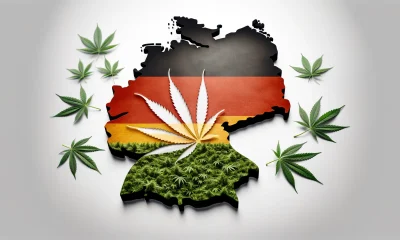
Germany Set to Introduce Cannabis Social Clubs

 Add MyCannabis.com to your preferred sources on Google

Key PointsGermany will launch regulated cannabis social clubs this summer, following…
View more
- Germany will launch regulated cannabis social clubs this summer, following legalization, where members collectively cultivate cannabis for personal use.
- Clubs must operate under strict rules, including active member participation in cultivation and a limit of about 500 members per club.
- The model prohibits sales to non-members, allows only minor employment for cultivation tasks, and uses membership fees to cover costs.
Germany is gearing up for a groundbreaking development in its cannabis landscape, with the anticipated opening of the country’s first cannabis cultivation social clubs as early as this summer. This move comes in the wake of the German parliament’s recent approval of legislation allowing recreational cannabis use, and the establishment of these clubs marks a significant step toward a more inclusive and regulated cannabis culture.
The upcoming cannabis clubs, however, will not operate without stringent regulations. The law dictates strict rules regarding membership, location, and operational procedures for these clubs, ensuring that the cultivation and distribution of cannabis are carried out responsibly.
One key aspect of the regulations stipulates that the cultivation process within the clubs must be supported only by adults engaged in “minor employment” by the association. This term refers to individuals earning approximately 538 euros ($581) per month. This provision aims to maintain a controlled and responsible approach to cannabis cultivation within the clubs.
The German government envisions a collective and participatory approach to cultivation and processing tasks within these clubs. With each club expected to have around 500 members, the law emphasizes the active involvement of members in the collective cultivation of cannabis. Active participation includes personal contributions to cultivation and activities directly related to the collective cultivation process.
“The members of the cultivation association must actively participate in the collective cultivation of cannabis. Active participation is particularly evident when members… personally contribute to collective cultivation and activities directly related to collective cultivation,” states the law.
While cultivation-related tasks are expected to be handled collectively by the members, clubs will be permitted to hire workers for roles not directly tied to cultivation, such as accounting or legal services. This provision allows for a diversified workforce within the clubs, contributing to their overall functionality.
Club membership fees are anticipated to play a crucial role in offsetting production costs, ensuring financial sustainability. However, it is important to note that these clubs will be restricted from selling cannabis to non-members. This restriction aligns with the government’s aim to maintain a controlled and regulated cannabis market, emphasizing responsible consumption and distribution.
As Germany enters this new era of cannabis culture, the introduction of cannabis social clubs reflects a progressive approach toward a more inclusive and regulated cannabis community. The upcoming months are likely to witness the unfolding of this innovative chapter in Germany’s cannabis story, with the establishment of these clubs contributing to the ongoing evolution of the country’s attitude and policies toward cannabis.